ISO 18436-2 Category IV Certified
Vibration Measurements and Analysis
Vibration measurements and analysis certified to ISO 18436-2 Category IV — the highest vibration-analysis certification.
From FFT spectrum analysis to long-term trend monitoring, vibration diagnostics catches damage at birth: bearing wear, misalignment, imbalance, resonance — before they become failure and downtime.
Field Photos: Vibration measurements →
- Cat IV
- ISO 18436-2 — highest certification
- 01Diagnostic services
Predictive maintenance for rotating machinery
- 02Fault detection
Early identification of bearing wear, misalignment, imbalance
- 03Analysis
FFT analysis — frequency spectrum analysis
ISO 18436-2
What Category IV means
ISO 18436-2 defines four certification categories for vibration analysts — each category requires all the knowledge and skills of the previous ones. Category IV is the highest the standard provides.
| Cat I | Cat II | Cat III | Cat IVOur certification | |
|---|---|---|---|---|
| Capturing and evaluating operating deflection shapes (ODS) of machines and connected structures, with corrective recommendations | No | No | No | Yes |
| Using recognized advanced techniques for analysis, parameter identification and fault diagnosis | No | No | No | Yes |
| Recommending corrective actions and design modifications — component replacement or repair, isolation, damping, changes of stiffness or mass | No | No | No | Yes |
| Interpreting and evaluating codes of practice and specifications of international standards | No | No | No | Yes |
| Recognizing and measuring vibration from gas pulsation in reciprocating machines and screw compressors, with corrective recommendations | No | No | No | Yes |
| Corrective actions for spring and other resilient mountings, hold-downs and foundations | No | No | No | Yes |
| Directing and auditing condition monitoring strategies | No | No | No | Yes |
| Applying vibration theory through multi-channel spectral measurements — frequency response functions, phase, coherence | No | No | No | Yes |
| Signal processing in the frequency and time domains, including shaft orbits and their limitations | No | No | No | Yes |
| Determining natural frequencies, mode shapes and damping across systems, components and assemblies | No | No | No | Yes |
| Applying rotor-bearing dynamics principles to vibration diagnosis | No | No | No | Yes |
| Advanced two-plane balancing theory — influence coefficients, static and couple unbalance | No | No | No | Yes |
| Design and direction of condition monitoring programmes | No | No | Yes | Yes |
| Advanced diagnostics — time waveforms, orbits, transient conditions; two-plane balancing | No | No | Yes | Yes |
| Selection of measurement settings and basic spectrum analysis | No | Yes | Yes | Yes |
| Diagnosis of common faults and single-plane balancing | No | Yes | Yes | Yes |
| Data collection to established procedures and comparison against pre-set alert limits | Yes | Yes | Yes | Yes |
Case studies & field applications
Yachts & industry
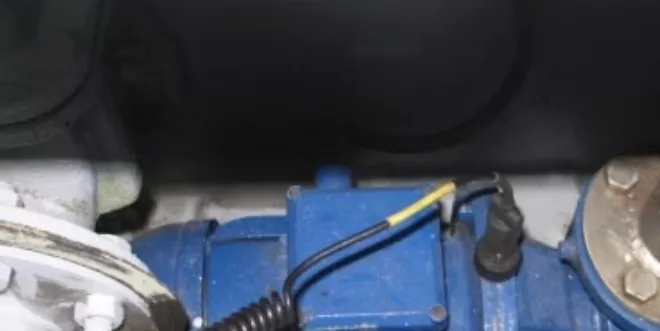
Motor-pump inspection on a yacht; vibration measurements and analysis at driving motors of a factory production line.
Wind turbines
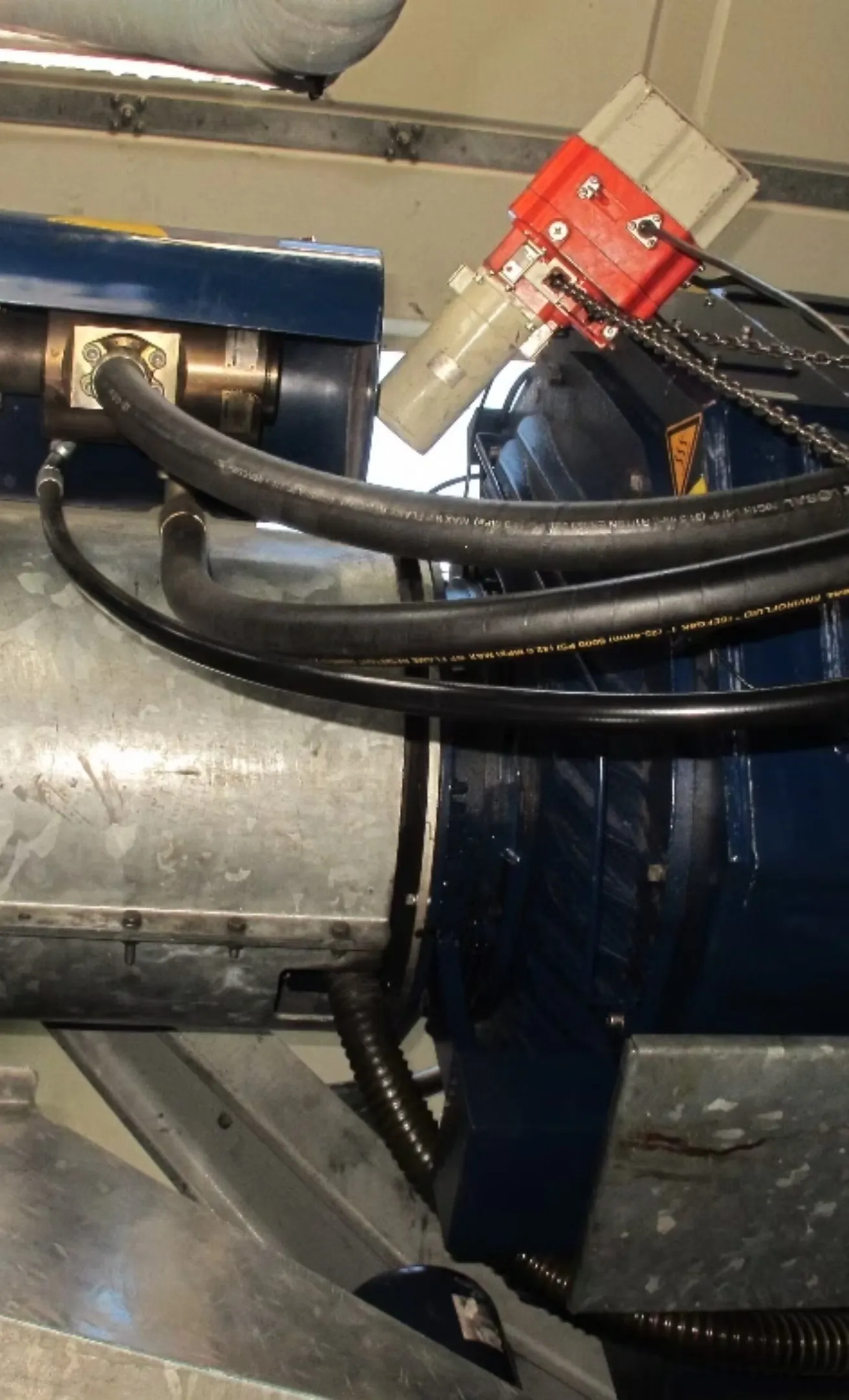
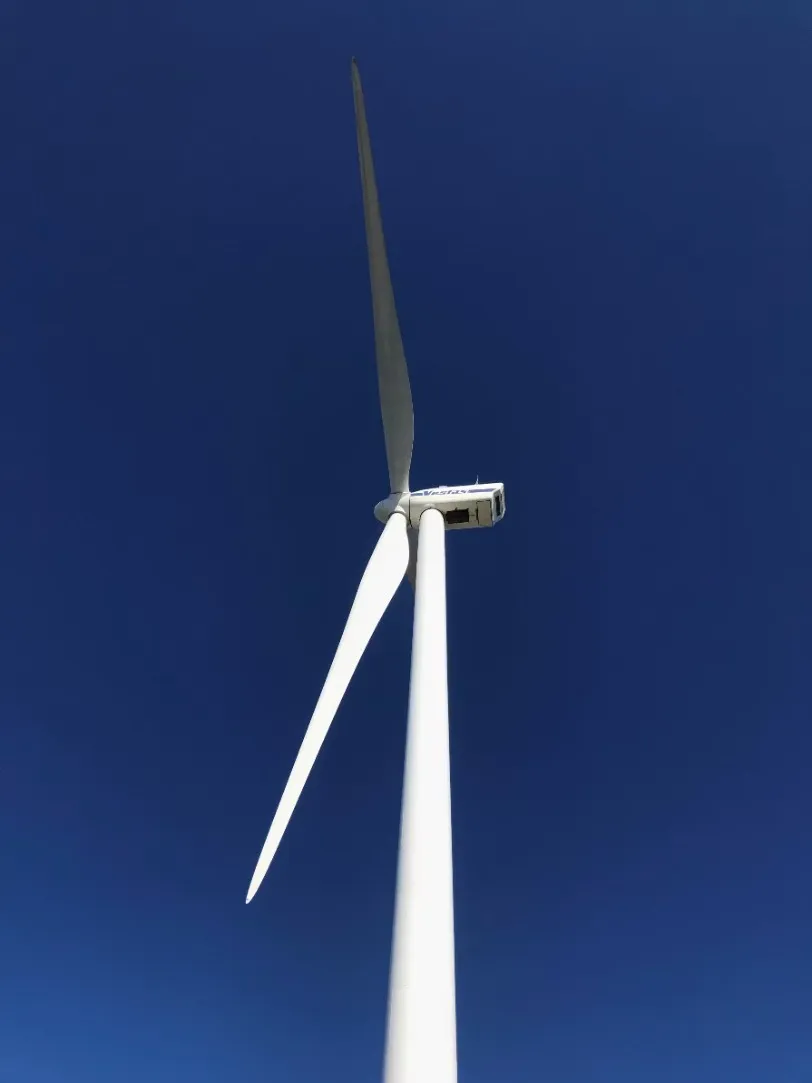
Wind turbines present unique vibration analysis challenges due to their size, remote locations, and harsh operating environments. Vibration measurements and analysis can detect: early-stage gear tooth wear, bearing degradation, shaft misalignment, structural resonance issues.
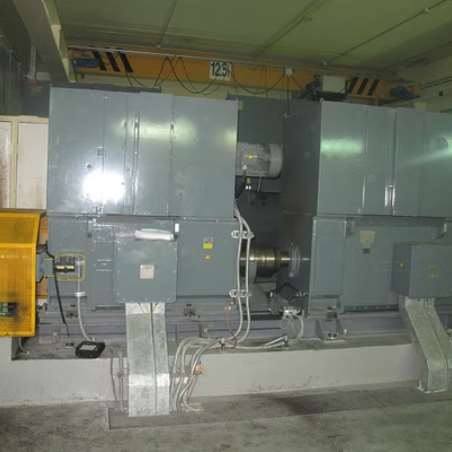
Generator-pump set
- 01Coupling alignment. Detect angular and parallel misalignment
- 02Bearing condition. Monitor for degradation and failure modes
- 03Resonance detection. Identify natural frequencies and excitation sources
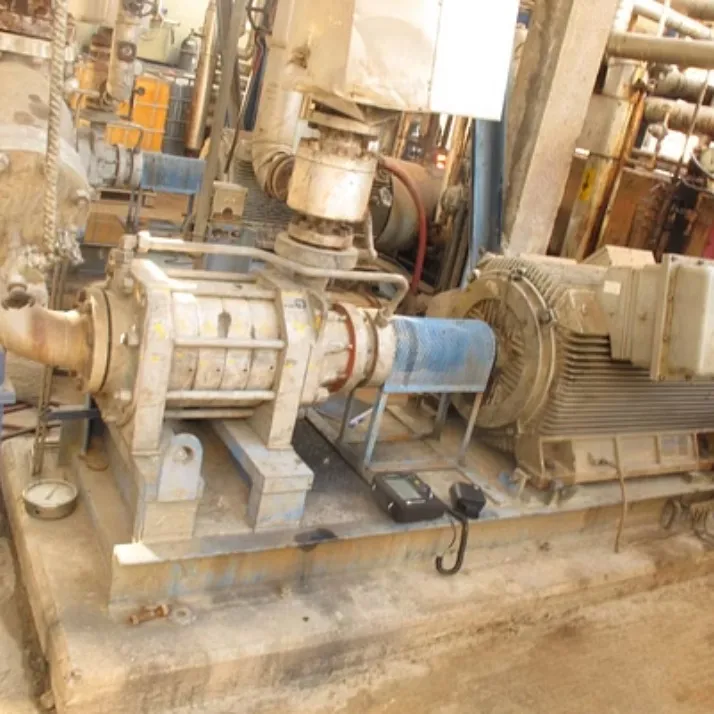
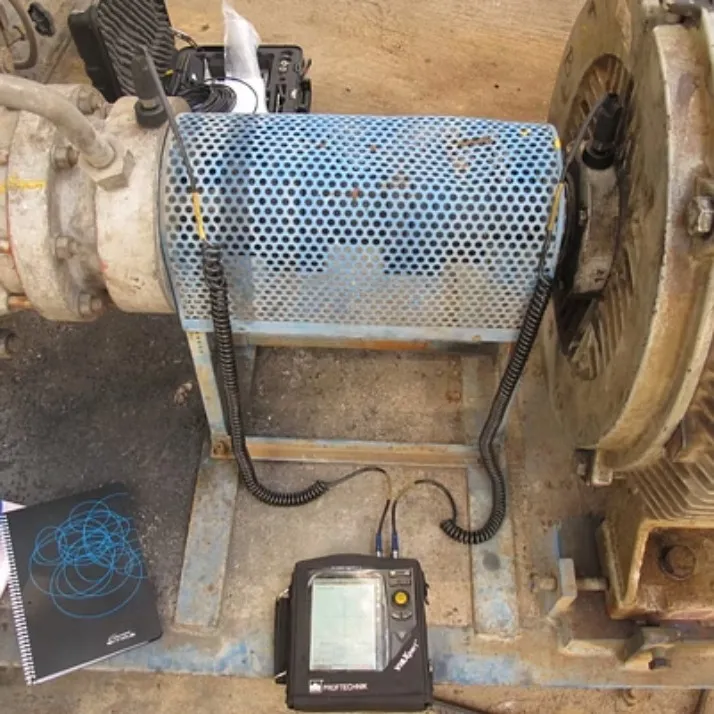
Vibration measurements and analysis on generator-pump set
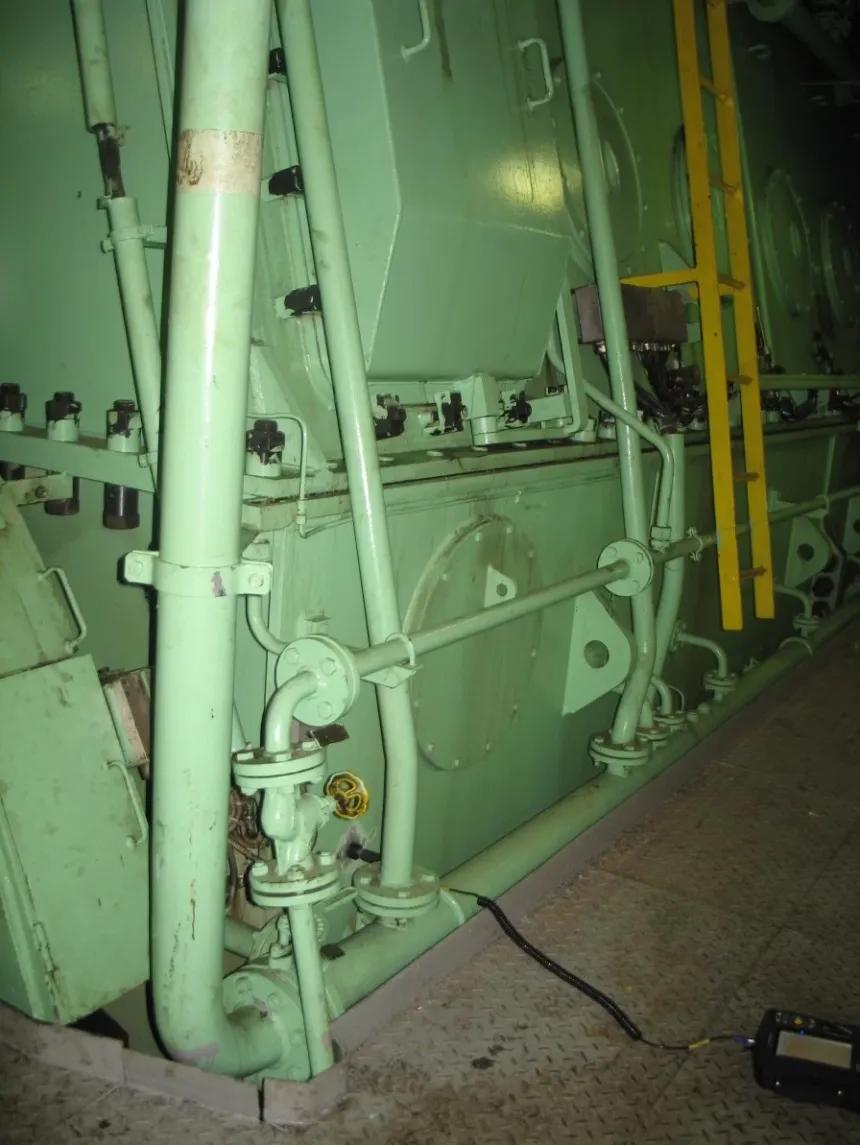
Marine propulsion systems
Comprehensive marine diagnostics: main engine crankshafts (cylinder firing imbalances, torsional vibration issues); intermediate shaft bearings (misalignment, inadequate lubrication); thrust bearings (axial vibration from propeller loads); reduction gearboxes (gear tooth damage and bearing degradation).
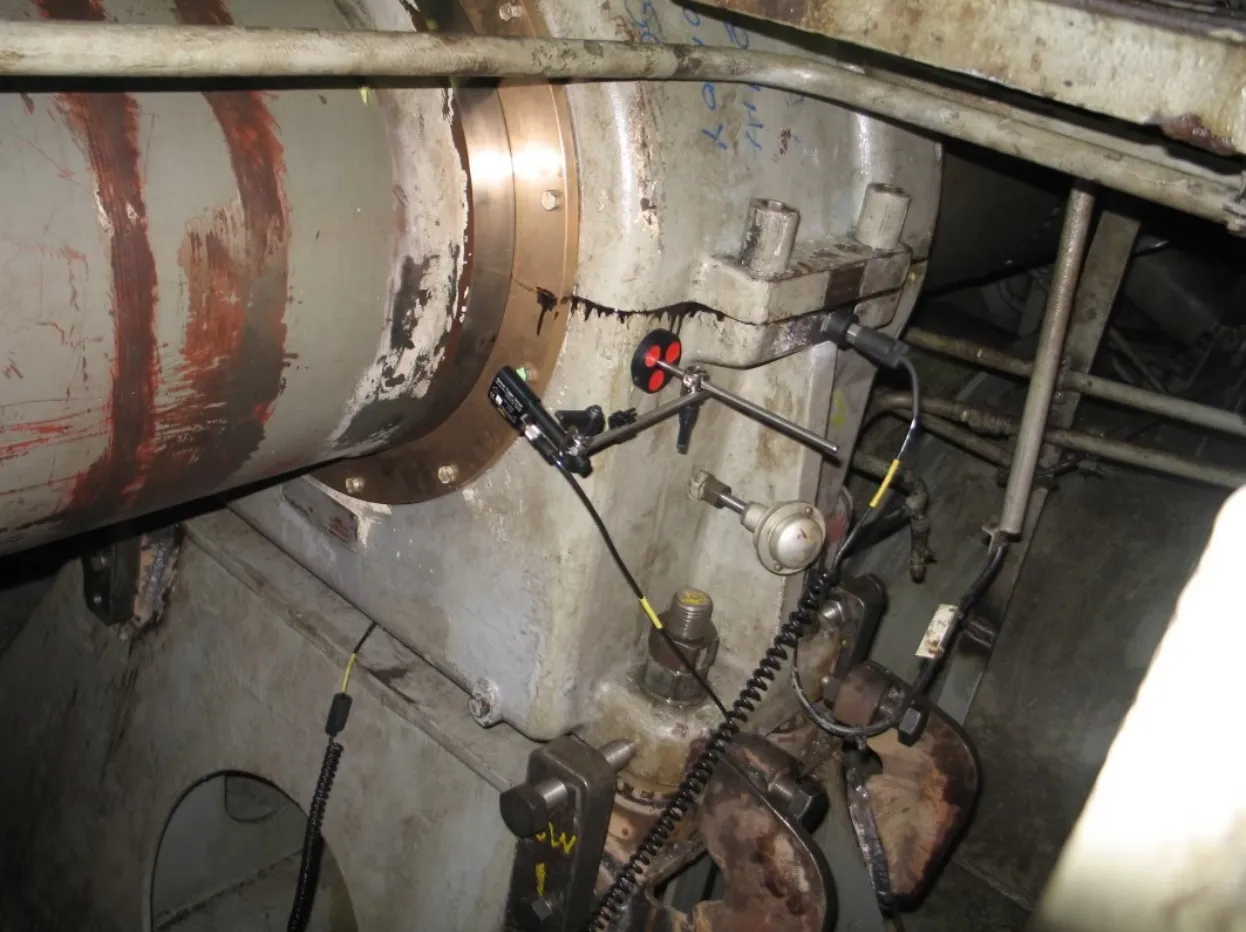
Case study — intermediate shaft COOPER BEARING
Measurements of vibrations and resonance at an intermediate shaft COOPER BEARING.
- 01Modal analysis. Natural frequency identification
- 02Resonance mapping. Critical speed determination
- 03Damping assessment. Cooper bearing performance
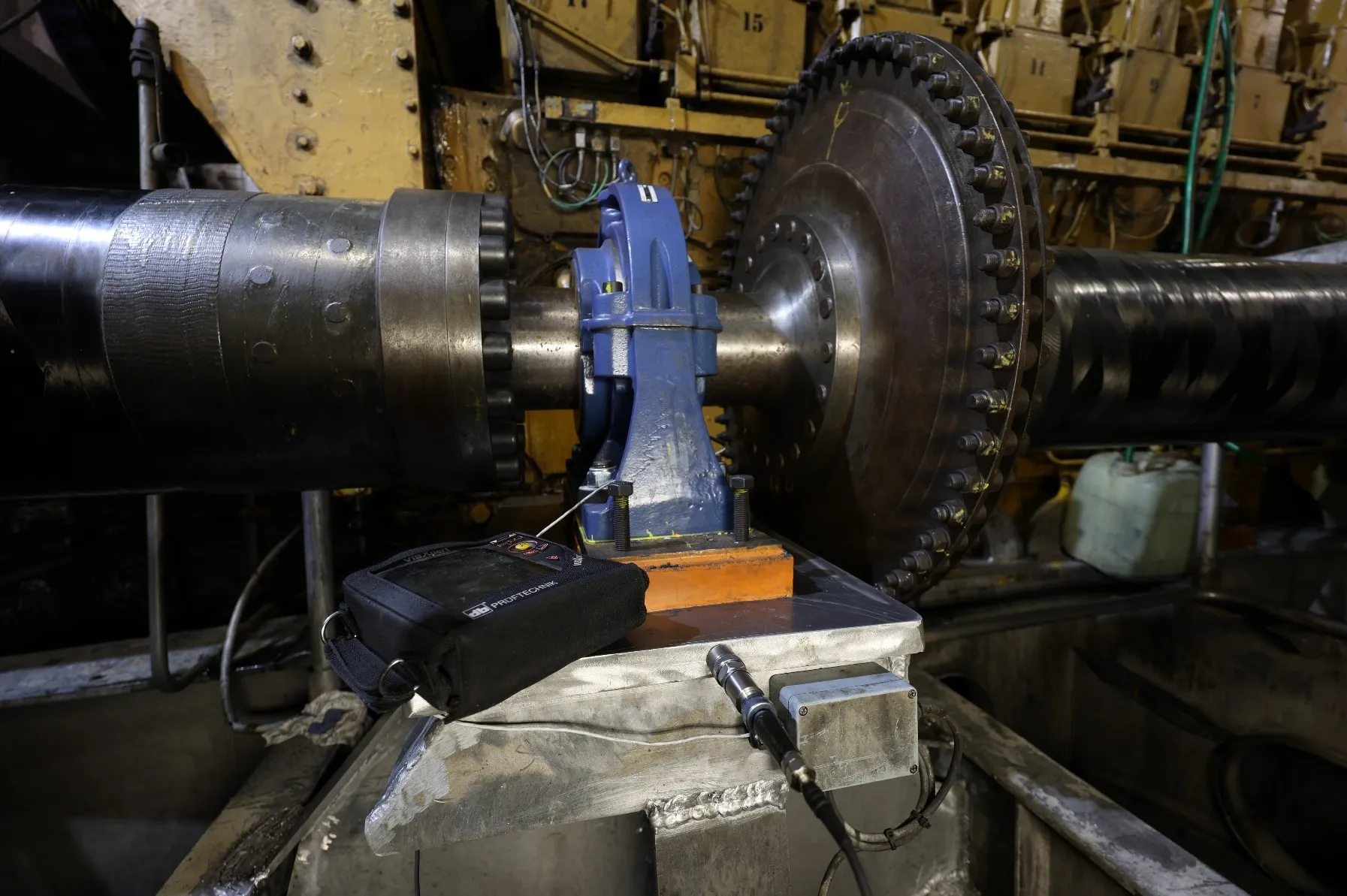
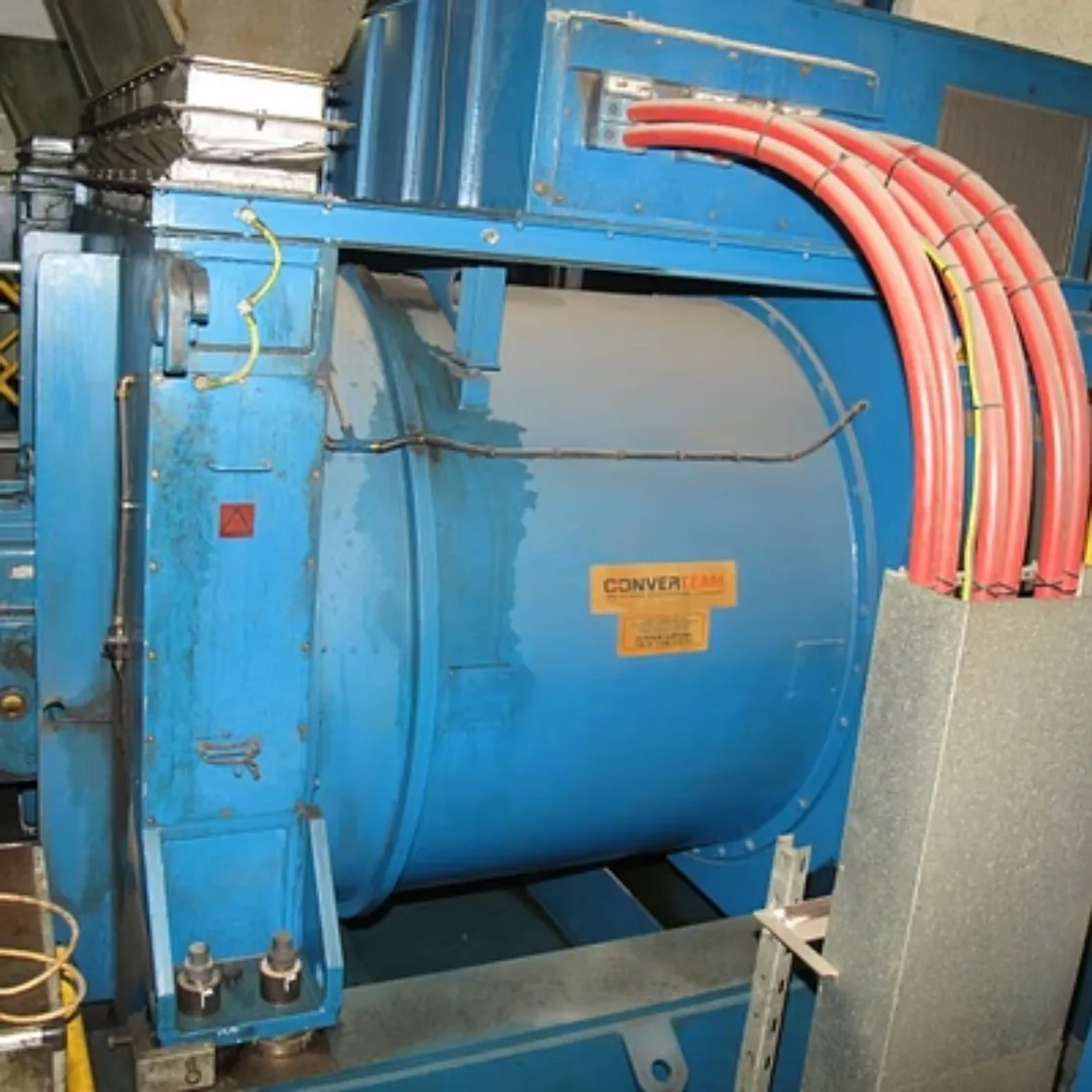
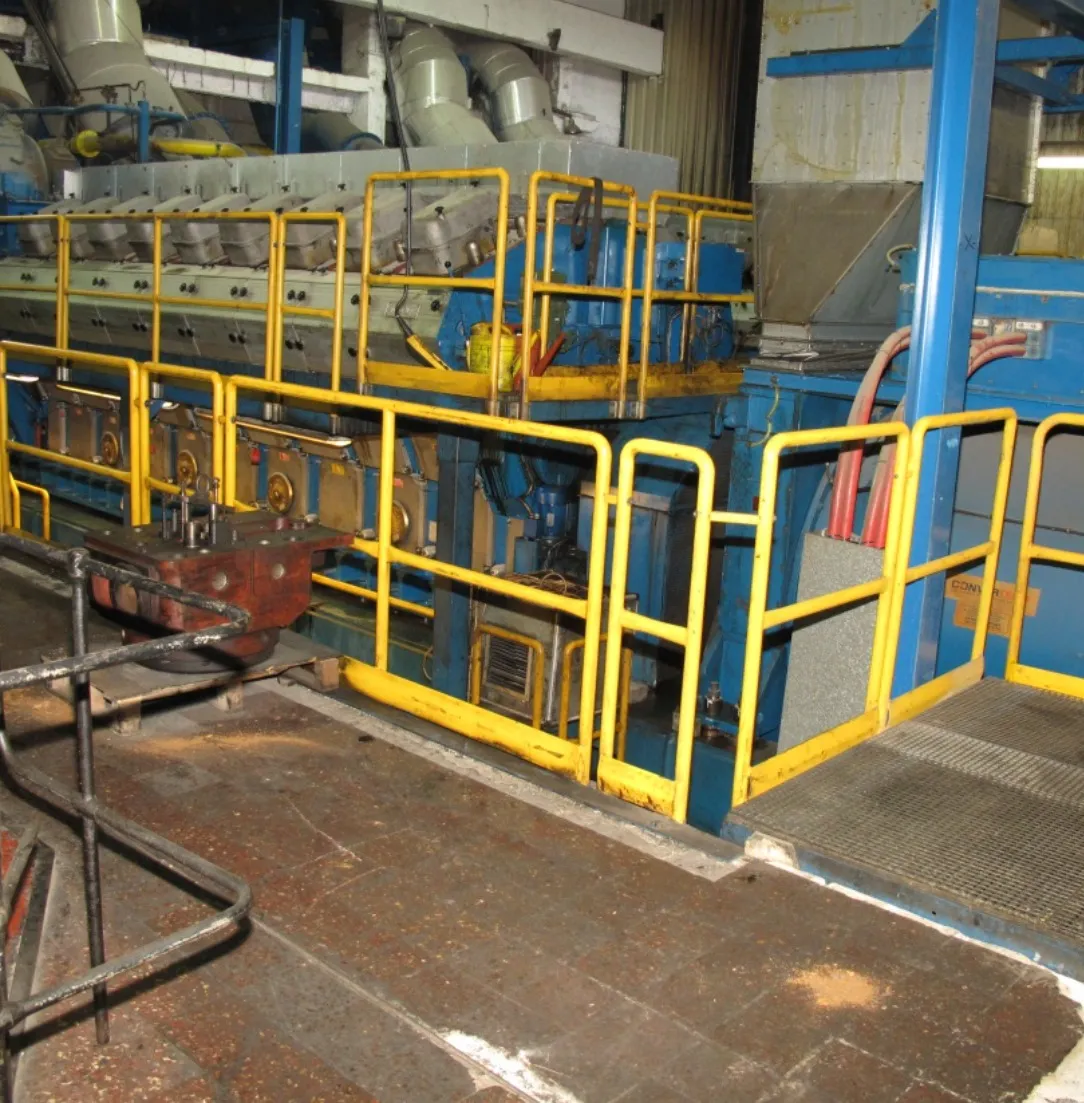
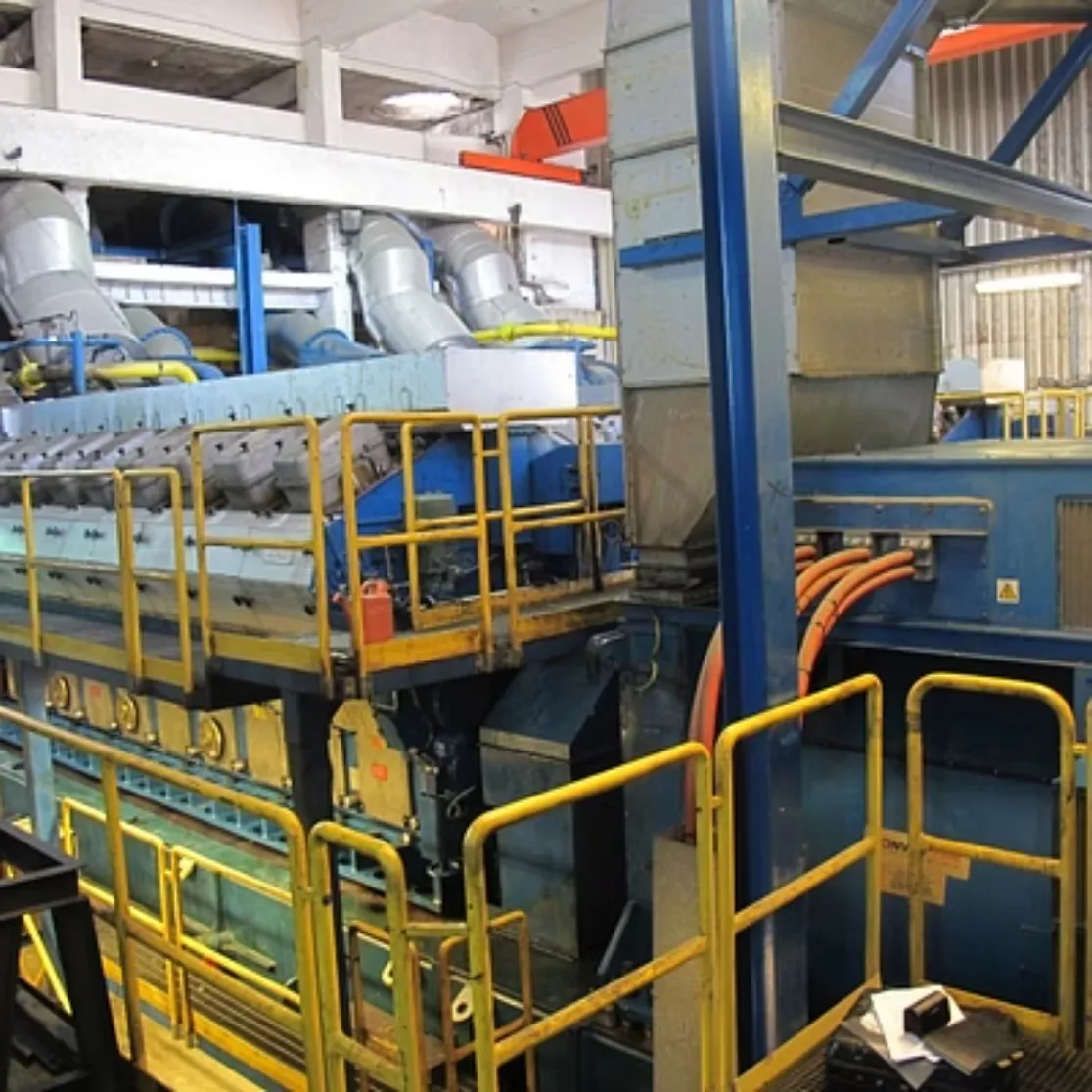
Case study — Wärtsilä 18V38A2, 11,340 kW
Wärtsilä 18V38A2 main engine-generator set (11,340 kW), 18 cylinders in V-configuration.
- 11,340 kW
- Set power output
- 18V
- Cylinders in V-configuration